Your Guide to Perfecting Garden Style Design
Have you ever strolled through a garden that felt less like a manicured plot and more like a romantic, untamed escape? This is the essence of garden style—a design approach that celebrates the natural beauty of plants, creating a space that feels both personal and timeless. It’s about crafting an immersive experience, a lush sanctuary that invites you to wander, relax, and connect with nature.
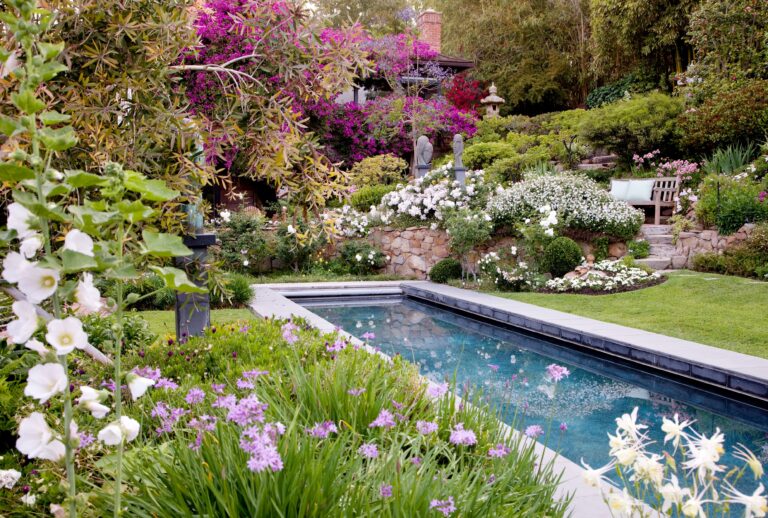
This design philosophy moves away from rigid lines and formal structures, embracing a more relaxed and organic aesthetic. It blends textures, colors, and forms in a way that mimics the effortless beauty of a meadow or woodland. The goal is to create a garden that looks like it has gracefully evolved over time, with every plant and feature telling a story.
Whether you have a sprawling backyard or a small balcony, the principles of garden style can help you transform your space into a breathtaking retreat. This guide will walk you through everything you need to know, from selecting the right plants and structures to creating functional outdoor rooms and avoiding common pitfalls. By the end, you’ll have the knowledge and inspiration to cultivate your own enchanting garden.
Understanding the Elements of Garden Style
Garden style design is an artful blend of several key elements that work together to create a harmonious and naturalistic landscape. It’s not about letting your garden run wild; instead, it’s a thoughtful approach to creating organized chaos. The magic lies in making deliberate design choices look spontaneous and effortless.
Abundant and Layered Plantings
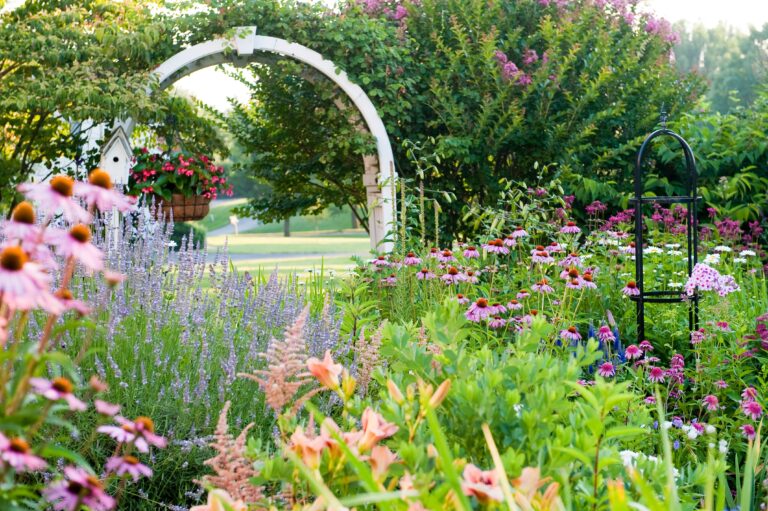
The heart of garden style is lush, dense planting. Forget neat, single rows of flowers. Instead, think in layers.
- Background Layer: Use taller plants like shrubs, ornamental grasses, or climbing vines on trellises to create a backdrop and add height.
- Middle Layer: Fill this space with mid-sized perennials and shrubs that provide structure and color.
- Foreground Layer: Line pathways and fill gaps with low-growing ground covers, annuals, and smaller perennials.
This layered approach creates a sense of depth and discovery, making the garden feel full and vibrant.
Soft Lines and Organic Forms
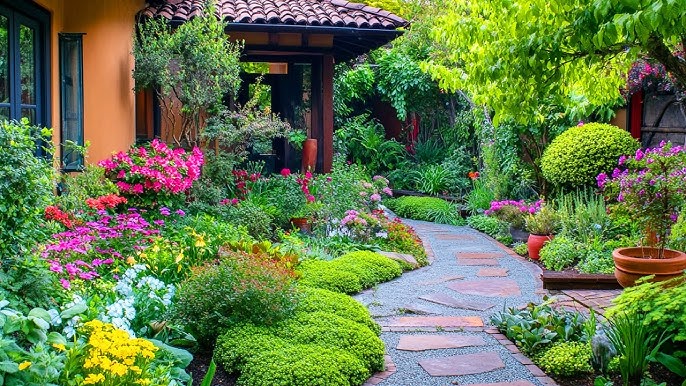
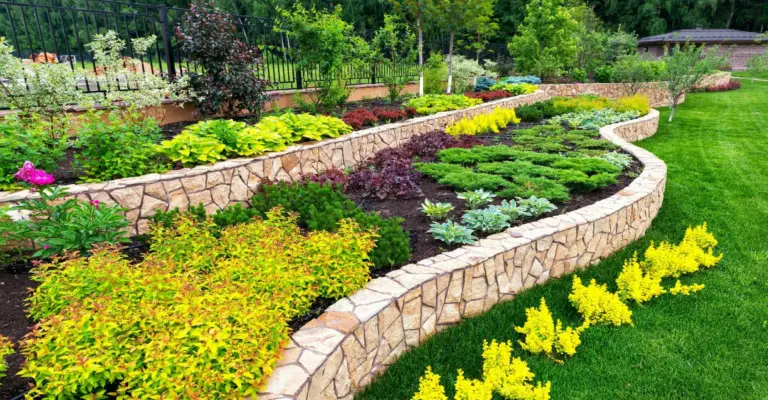
Rigid, straight lines are rarely found in nature, and the same is true for garden style. Pathways should meander and curve, inviting exploration. Garden beds should have soft, rounded edges that flow naturally into one another rather than sharp, geometric angles. This use of organic shapes helps the garden feel integrated and less imposed upon the landscape.
A Mix of Textures and Colors
Variety is essential. Combine plants with different leaf shapes, sizes, and textures. Mix fine-textured ferns with bold, broad-leafed Hostas, or pair soft ornamental grasses with the glossy leaves of a rhododendron. This textural contrast adds visual interest and complexity.
When it comes to color, garden style often leans towards a harmonious palette. You might choose a soft, romantic scheme of pinks, lavenders, and whites, or a more vibrant mix of yellows, oranges, and purples. The key is to repeat colors throughout the garden to create a sense of unity and rhythm.
The Beauty of Imperfection
This style celebrates the wabi-sabi of the natural world—finding beauty in imperfection. Self-seeding plants are encouraged to pop up in unexpected places, and moss is allowed to grow on stone paths. This acceptance of nature’s spontaneous touches adds character and authenticity to the garden, making it feel alive and ever-evolving.
Choosing Plants for a Garden Style Landscape
Selecting the right plants is crucial for achieving an authentic garden style look. The goal is to choose varieties that contribute to a soft, romantic, and naturalistic feel. Focus on plants that offer interesting textures, forms, and seasonal interest.
Perennials: The Backbone of Your Garden
Perennials are workhorses that return year after year, forming the core of your planting scheme. Opt for classic cottage garden favorites that offer abundant blooms and a relaxed habit.
- For Sun: Coneflower (Echinacea), Black-Eyed Susan (Rudbeckia), Salvia, Peonies, and Russian Sage.
- For Shade: Hostas, Astilbe, Ferns, Coral Bells (Heuchera), and Bleeding Heart (Dicentra).
Annuals: For Bursts of Color
Annuals provide continuous color throughout the growing season, filling in gaps between perennials. They are perfect for adding pops of vibrancy and can be changed yearly to refresh the look.
- Good choices include: Cosmos, Zinnias, Snapdragons, Sweet Alyssum, and Petunias. Allow some, like poppies or nigella, to self-seed for a spontaneous effect.
Shrubs: For Structure and Form
Shrubs provide year-round structure and act as a green backdrop for your flowering plants. Choose shrubs with graceful forms and seasonal interest, like spring flowers, summer berries, or fall color.
- Flowering Shrubs: Hydrangeas are a quintessential choice, especially varieties like ‘Annabelle’ or Oakleaf hydrangeas. Roses, particularly old-fashioned shrub or climbing varieties, add romance and fragrance. Others include Lilacs, Weigela, and Viburnum.
Grasses and Climbers: For Texture and Height
Ornamental grasses add movement and fine texture, catching the light and swaying in the breeze. Climbing plants add a vertical dimension, softening walls and structures.
- Ornamental Grasses: Fountain Grass (Pennisetum), Switchgrass (Panicum), and Japanese Forest Grass (Hakonechloa).
- Climbing Plants: Clematis, Climbing Roses, Honeysuckle, and Wisteria create a classic, romantic look when trained over arbors, pergolas, or fences.
Incorporating Garden Structures and Features
Structures and hardscaping are just as important as plants in defining a garden style landscape. They provide the “bones” of the garden, adding character, defining spaces, and supporting plant growth.
Pathways and Patios
Create winding pathways using natural materials like flagstone, gravel, or brick. Allow low-growing plants like creeping thyme or moss to grow between the stones to soften the edges. A rustic stone or brick patio can serve as a charming anchor for a seating area.
Arbors, Pergolas, and Trellises
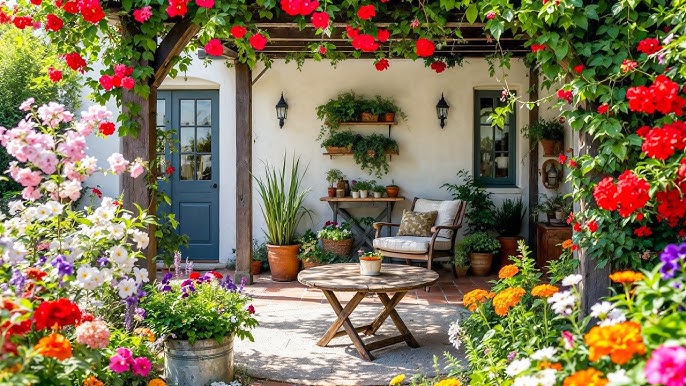
These vertical structures are hallmarks of garden style. An arbor covered in climbing roses creates a romantic entryway, while a pergola can define an outdoor dining space. Trellises placed against a wall or fence provide support for climbing vines, turning a flat surface into a living green wall. Wood is a classic material choice, but rustic metal can also work well.
Water Features and Garden Art
The gentle sound of water from a small fountain or birdbath adds a tranquil element to the garden. Choose features with a naturalistic look, such as a stone-look fountain or a simple basin. Garden art, when used sparingly, can add a personal touch. Consider a weathered statue, a decorative urn, or a whimsical birdhouse tucked among the plants.
Creating Spaces for Relaxation and Entertaining
A garden should be a place to live in, not just to look at. Designing functional areas for relaxing and gathering friends is a key part of the garden style ethos.
- A Secluded Nook: Tuck a single bench into a quiet corner surrounded by fragrant plants. This creates a perfect spot for reading or quiet contemplation.
- An Outdoor Dining Area: Use a pergola or a large tree to create a natural canopy for a dining table. Surround the area with pots of herbs and flowers to make it feel like an extension of the garden.
- A Cozy Fire Pit: A simple stone fire pit can be a focal point for evening gatherings. Arrange comfortable chairs around it to create an inviting space for conversation.
Maintaining a Garden Style Landscape
While garden style looks effortless, it does require maintenance to keep it from becoming truly overgrown. The approach, however, is more about gentle guidance than strict control.
- Editing, Not Weeding: Learn to distinguish between desirable self-seeders and invasive weeds. Allow some volunteers to stay where they add to the charm.
- Relaxed Pruning: Avoid shearing shrubs into tight, formal shapes. Instead, use selective pruning to maintain a natural form and encourage healthy growth.
- Enrich the Soil: Healthy plants are the foundation of a beautiful garden. Regularly amend your soil with compost to keep it fertile and full of life.
- Deadheading: Regularly remove spent flowers from annuals and perennials to encourage more blooms and keep the garden looking fresh.
Common Mistakes to Avoid
- No Structure: A lack of “bones” (paths, shrubs, structures) can make the garden look messy rather than charmingly informal.
- Overcrowding: While dense planting is key, giving plants enough space to reach their mature size is important to prevent disease and competition.
- One of Everything: Planting just one of each type of plant can lead to a chaotic look. Instead, plant in drifts or groups of 3, 5, or 7 to create impactful displays.
- Ignoring the Off-Season: Plan for year-round interest by including evergreens, plants with interesting bark, or structures that look good even when bare.
Garden Style Ideas for Small Spaces
You don’t need a large plot to create a lush, garden-style oasis.
- Vertical Gardening: Use walls and fences to grow climbing plants on trellises.
- Container Gardening: Create a layered look by grouping pots of various sizes. Combine thrillers (tall plants), fillers (mounding plants), and spillers (trailing plants) in each container.
- Choose Dwarf Varieties: Many shrubs and perennials come in compact forms that are perfect for small spaces.
- Use Mirrors: A well-placed outdoor mirror can create the illusion of more space and reflect the beauty of your plantings.
Plant Combinations for Garden Style
Feature | Plant Combination Example | Notes |
|---|---|---|
Sunny Border | Salvia ‘May Night’, Echinacea ‘Magnus’, and Pennisetum ‘Hameln’ | Provides a mix of spiky, daisy-like, and feathery textures with a long bloom time. |
Shade Garden | Hosta ‘Sum and Substance’, Astilbe ‘Fanal’, and Japanese Painted Fern | Combines bold foliage, feathery plumes, and intricate, silvery fronds for a lush look. |
Romantic Arbor | Climbing Rose ‘New Dawn’ and Clematis ‘Jackmanii’ | A classic pairing. The clematis can be trained to vine through the rose for a fuller look. |
Container | Hydrangea ‘Little Lime’, Heuchera ‘Palace Purple’, and Creeping Jenny | A “thriller, filler, spiller” combination with year-round interest from the Heuchera. |
Frequently Asked Questions
What is the difference between cottage garden and garden style?
Cottage garden is a specific type of garden style, characterized by a dense mix of ornamental and edible plants. “Garden style” is a broader term that encompasses a naturalistic, informal aesthetic. While they share many principles, garden style can also include more modern or minimalist interpretations.
How do I start a garden style design from scratch?
Begin by planning your hardscaping—the pathways, patios, and structures. These are your garden’s bones. Then, add your structural plants, like shrubs and small trees. Finally, fill in the spaces with layers of perennials, annuals, and groundcovers.
Is garden style high-maintenance?
It can be, but it doesn’t have to be. The maintenance is different from a formal garden. It involves more “editing” and less rigid upkeep. Choosing the right plants for your climate and conditions (right plant, right place) will significantly reduce maintenance needs.
Can I grow vegetables in a garden style landscape?
Absolutely! Integrating edibles is a core principle of the traditional cottage garden. Tuck herbs along a pathway, let a squash vine trail over a low wall, or mix in some colorful Swiss chard among your flowers.
Cultivate Your Own Natural Haven
Creating a garden style landscape is a rewarding journey that connects you deeply with the rhythms of nature. It’s about embracing imperfection, celebrating abundance, and designing a space that feels personal and alive. By layering plants, incorporating soft lines, and adding charming structures, you can craft a garden that is not only beautiful but also a true sanctuary for relaxation and enjoyment. Start small, be patient, and let your garden evolve. Your perfect, untamed oasis awaits.