Eco-Friendly Garden Style Tips for a Sustainable Outdoor Space
Creating a beautiful garden doesn’t have to come at the expense of the environment. In fact, sustainable gardening is becoming a top priority for homeowners who want to reduce their ecological footprint while still enjoying a lush and inviting outdoor space. By incorporating eco-friendly practices into your garden design, you can save resources, support local wildlife, and create a healthier environment for your family. Whether you’re embarking on a new project or revamping an existing yard, there are numerous ways to adopt an eco-friendly garden style. This guide will walk you through practical and inspiring tips to help you build a sustainable outdoor retreat.
Why Choose an Eco-Friendly Garden?
An eco-friendly garden is about more than just aesthetics—it’s a commitment to sustainability. Traditional gardens often rely heavily on chemical fertilizers, excessive water, and non-native plants that strain the ecosystem. By contrast, sustainable gardens work with nature, not against it.
Eco-friendly practices conserve resources, reduce waste, and create a balanced ecosystem where plants, soil, insects, and wildlife thrive together. Beyond the environmental benefits, a sustainable garden can save you money on water and maintenance costs while giving you a healthier, more resilient outdoor space.
Select Native and Pollinator-Friendly Plants
One of the simplest and most effective eco-friendly garden strategies is choosing native plants. These species naturally thrive in your local climate and soil, meaning they need less water, fertilizer, and attention. Native plants also support pollinators like bees, butterflies, and hummingbirds, which are essential to the health of our ecosystems.
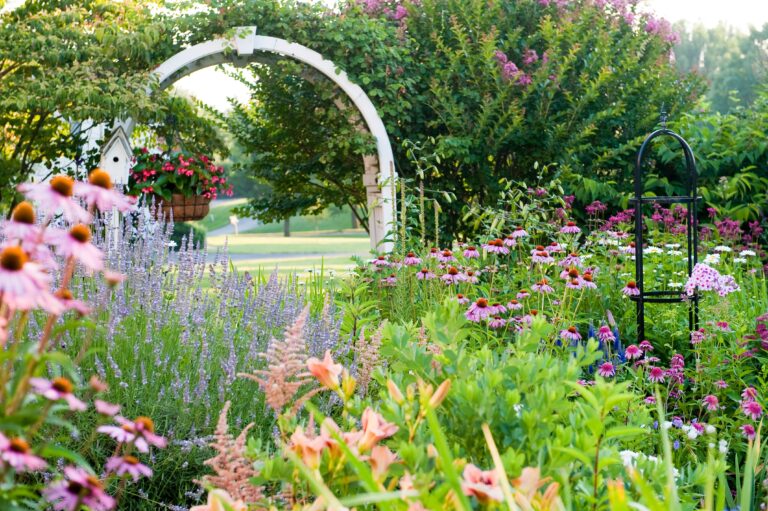
Pollinator-friendly flowers such as coneflowers, lavender, milkweed, and wildflowers not only add color and beauty but also play a crucial role in sustaining local wildlife. By creating a garden that welcomes pollinators, you’re helping biodiversity thrive right in your backyard.
Conserve Water with Smart Practices
Water is one of the most precious resources, and eco-friendly gardens are designed to use it wisely. Instead of relying on frequent watering, consider these strategies:
- Drip irrigation systems deliver water directly to plant roots, reducing waste.
- Rain barrels collect and store rainwater for later use, cutting down on reliance on municipal water.
- Mulching helps retain soil moisture and reduces the need for constant watering.
Grouping plants with similar water needs together is another smart way to conserve water while keeping your garden healthy.
Embrace Organic Gardening Methods
Chemical pesticides and fertilizers can harm beneficial insects, pollute water supplies, and degrade soil health. An eco-friendly garden avoids these chemicals by relying on organic alternatives. Compost, for example, enriches soil naturally and provides nutrients without synthetic additives.
For pest control, natural methods like neem oil, insecticidal soaps, or introducing beneficial insects (like ladybugs) are effective and safe for the environment. Healthy soil and diverse plantings also reduce pest problems naturally, making your garden more self-sustaining.
Reduce Waste with Composting
Composting is a cornerstone of sustainable gardening. Instead of sending food scraps, leaves, and yard waste to landfills, you can turn them into nutrient-rich compost that nourishes your soil.
A simple compost bin or pile can handle everything from vegetable peels to grass clippings. Over time, these materials break down into dark, nutrient-dense compost that improves soil structure, boosts plant health, and reduces the need for chemical fertilizers. Not only does composting minimize waste, but it also creates a closed-loop system where your garden feeds itself.
Use Sustainable Materials for Garden Design
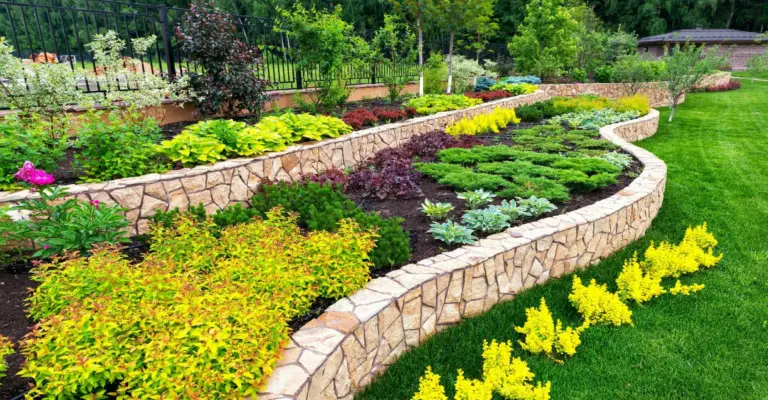
Eco-friendly gardening isn’t just about the plants—it’s also about the materials you use. Opt for recycled, reclaimed, or natural materials when building garden structures like raised beds, fences, or patios. For example, reclaimed wood, natural stone, or repurposed bricks can add character and sustainability to your design.
When choosing furniture or decorative elements, look for eco-friendly options made from bamboo, recycled metals, or FSC-certified wood. These choices reduce environmental impact while giving your garden a stylish and unique touch.
Create Wildlife Habitats
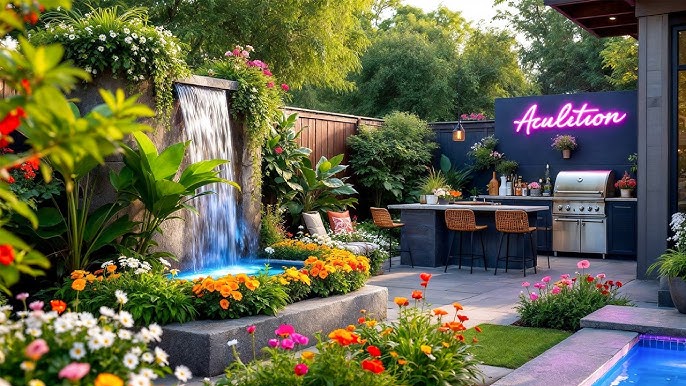
An eco-friendly garden doesn’t just serve humans—it also provides shelter and food for wildlife. By adding birdhouses, insect hotels, and small water features, you can support local ecosystems and encourage biodiversity.
A pond or shallow water dish can attract birds, frogs, and beneficial insects. Native shrubs and trees provide nesting spots for birds, while flowering plants offer nectar for pollinators. By creating a habitat-friendly garden, you’ll enjoy a thriving, lively outdoor space filled with natural activity.
Rethink Your Lawn
Traditional lawns require frequent watering, mowing, and chemical treatments, making them one of the least sustainable garden features. Instead, consider eco-friendly alternatives like:
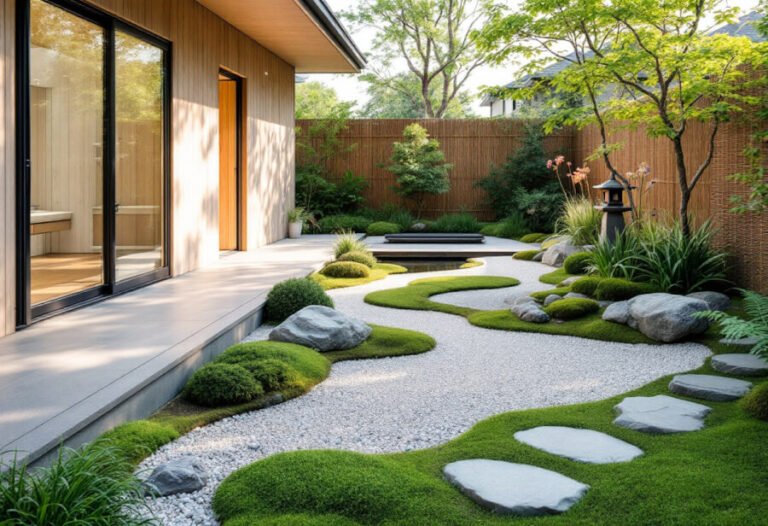
- Ground covers such as clover, creeping thyme, or moss, which require little maintenance.
- Meadow-style plantings with native grasses and wildflowers, which support pollinators and reduce upkeep.
- Smaller lawn sections paired with pathways, patios, or garden beds to minimize water and chemical use.
By rethinking your lawn, you can save time, reduce costs, and create a more sustainable outdoor environment.
Harness Renewable Energy in the Garden
Sustainability can extend beyond plants and soil. Consider using solar-powered lights, fountains, or water pumps to reduce your energy footprint. Solar garden lights provide soft, eco-friendly illumination for pathways and patios without increasing electricity bills.
These renewable energy solutions are practical, cost-effective, and perfectly aligned with an eco-friendly garden style.
FAQs About Eco-Friendly Gardens
Q1: What are the easiest eco-friendly plants to grow?
Native species like coneflowers, black-eyed Susans, and lavender are hardy, low-maintenance, and beneficial for pollinators.
Q2: How can I start composting if I have limited space?
Small compost bins, worm composters, or even countertop composters are great options for small spaces like balconies or patios.
Q3: Is it expensive to create an eco-friendly garden?
Not necessarily. Many sustainable practices, like composting, rainwater collection, and using native plants, actually save money over time by reducing water and fertilizer costs.
Q4: How can I make my garden wildlife-friendly?
Planting native species, adding birdhouses, creating pollinator-friendly flower beds, and providing water sources are simple yet effective ways to attract and support wildlife.
Q5: Do eco-friendly gardens still look attractive?
Absolutely! Sustainable gardens can be just as beautiful as traditional ones, often with even more variety, color, and wildlife activity to enjoy.
Conclusion
An eco-friendly garden is more than just a trend—it’s a sustainable lifestyle choice that benefits you, your community, and the planet. By incorporating native plants, conserving water, avoiding chemicals, composting, and using sustainable materials, you can design a garden that is both beautiful and responsible. With small, intentional changes, your outdoor space can transform into a thriving, low-impact sanctuary that supports biodiversity, reduces waste, and brings lasting enjoyment.
A sustainable garden proves that beauty and responsibility can go hand in hand, offering you a timeless outdoor retreat that nurtures both people and the planet.