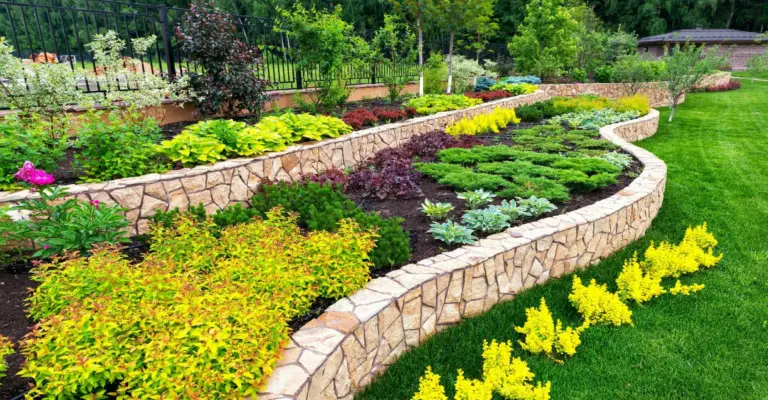
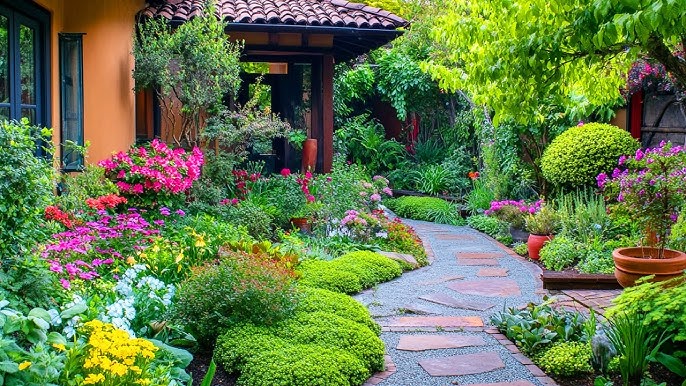
Classic Garden Style Inspiration for a Timeless Outdoor Look
A well-designed garden is always a feast for the eyes. While modern garden trends come and go, the classic garden style remains a favorite among homeowners and garden enthusiasts seeking beautiful, sustainable outdoor spaces. This style combines structure, beauty, and unity, often skillfully blending formal elements with natural charm. Whether you have a spacious backyard or a small patio, a classic garden design can add an elegant and tranquil touch to your outdoor space. This article explores the inspiration for the classic garden style and offers some tips for creating a classic garden.
What is the classic garden style?
The classic garden style is inspired by traditional European environments, particularly England and France. Asymmetry, balance, and carefully chosen focal points are defining characteristics of this design. Unlike modern minimalist or rugged garden styles, the classic style emphasizes order and structure, while preserving beautiful flowers and lush plantings.
Manicured hedges, paved paths, brickwork, and evenly sized flowerbeds are often striking elements. Water features such as waterfalls and small ponds can also add a touch of style. The goal is to create an outdoor space that is warm, stylish, and inviting in spring, summer, fall, and winter.
How Structure and Symmetry Benefit You?
One of the keys to the characteristic beauty of a classic garden is well-organized planning. Paths, gardens, and plantings are carefully designed to emphasize symmetry. For example, a straight path leading to a central pond or a sculpture creates a focal point.
This sense of order gives the garden a calm and peaceful atmosphere. Neatly trimmed boxwood or yew hedges create a structured border and help define the garden, giving it a sense of order. Even if your outdoor space is small, adding balance to paths or flower arrangements can quickly create a classic atmosphere.
How to Choose the Right Plants for a Traditional Garden?
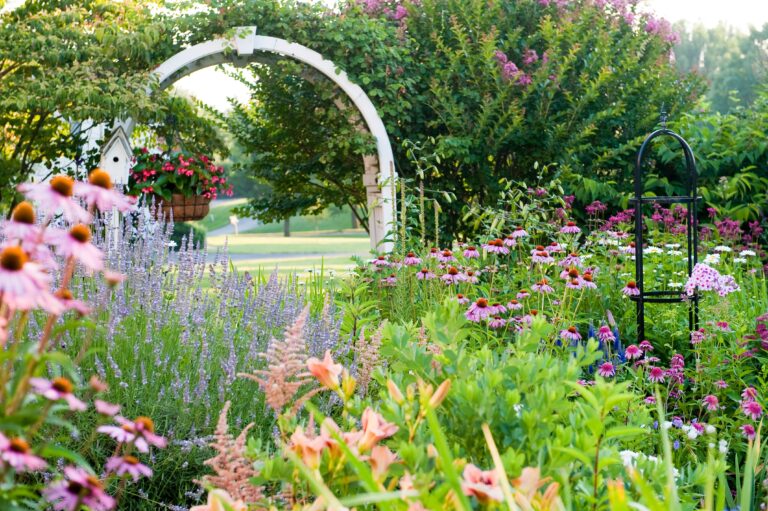
Plants are essential for garden beautification, and if you’re aiming for a classic garden style, you should select your plants carefully. Roses, lavender, hydrangeas, peonies, and wisteria are some traditional plants well-suited for gardens. These flowering plants provide color and fragrance, while evergreens like boxwood and holly provide stability year-round.
Another important planting technique is layering. Taller trees or plants, for example, can serve as a backdrop, while medium-tall and low grasses and groundcovers can add depth. Layered planting not only enhances the garden’s aesthetic but also gives it the richness and depth characteristic of a classic design.
Adding Stone and Paving Elements
Classic gardening is about more than just plants. Stone paths, patios, and waterfalls are examples of paving elements that add character and durability to a garden. Natural stone, brick, or earth are excellent choices for this style and give the garden a vintage feel that complements the plants perfectly.
A small trellis with roses or a wrought-iron bench under a tree can create a charming focal point. Sundials, planters, and statues are also common decorative elements in traditional gardens. This style is characterized by a sense of history and stability, and these classic elements further enhance this feeling.
Timeless Water Features
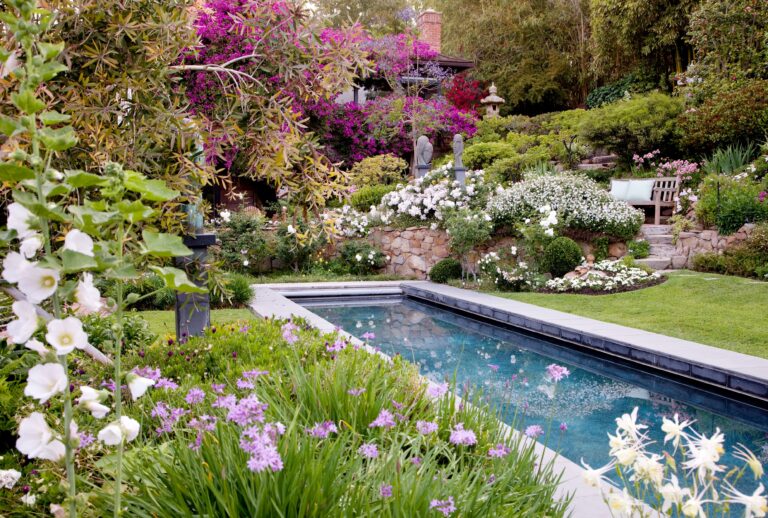
Incorporating a water feature into a classic garden enhances the overall experience, as water has long been a symbol of peace. A small pond surrounded by flowers, or a stone waterfall with steps in the center of the garden, can quickly transform a garden into an oasis of tranquility.
The sound of trickling water creates a peaceful atmosphere that not only pleases the eye but also lifts the spirits. Whether you choose a large waterfall or a small pool, a water feature in your garden is an excellent choice.
Matching Furniture and Decorations to the Theme
In a classic garden, furniture should be both beautiful and practical. The best seating for this style is made of wrought iron, wood, or stone. A traditional wooden bench or iron table nestled under vines creates a perfect spot for reading or enjoying afternoon tea.
Accessories like lanterns, ceramic pots, and antique-looking plants can also add personality to a garden. The goal is to choose items that don’t clash with the garden’s traditional style, but rather enhance its beauty.
Easy Ways to Maintain a Classic Look in Your Garden
While a classic garden is always beautiful, it does require regular maintenance to maintain its neat appearance. Plants need to be pruned, trimmed, and trimmed.
Keep your garden beautiful all year round.
Benefits of a Traditional Garden Style
A standard garden is beautiful and unchanging, but it also has other advantages. It increases the value of your home over time, because a well-designed area is always attractive to buyers. The organized design also makes you feel calm and in control, making your outdoor space a great place to escape the stresses of everyday life.
Classic gardens can also be adapted to different needs. The style can be adapted to any environment, whether you live in a large country house or a small city apartment. It will look great and function well for years to come.
Frequently Asked Questions about the Classic Garden Style
A: Can I create a traditional garden in a small space?
Of course. A classic style can even be applied to a small patio or garden by using symmetry, a few beautiful plants, and a pond or urn in the center. Size isn’t as important as balance and order.
A: Which plants always look good?
You can choose from roses, lavender, hydrangeas, boxwood, holly, and peonies. By using both evergreens and summer bloomers, your garden will look beautiful all year round.
A: Do traditional gardens require a lot of work?
They do require some maintenance, especially pruning and trimming to maintain their shape. But once established, it’s easy to keep them looking good with regular care.
A: Can I give an old garden a new touch?
Yes, but balance is very important. You can add modern lighting or simple furniture that complement the classic structure, but don’t add too many modern elements, as this can detract from the traditional charm.
A: How important are water features in a traditional garden?
While not mandatory, water features make gardens look more beautiful and peaceful over time. A little water can make a big difference.
In Conclusion
A classic garden style blends structure, grace, and natural beauty to create a timeless aesthetic. Traditional European design is the inspiration for this style. It’s all about balance, carefully selected plants, and attractive paving elements that never go out of style. You can create an outdoor space that feels refined and peaceful by adding elements like stone paths, water features, and tiered plants. Whether you have a small backyard or a large farmhouse, a classic garden is a great way to add beauty and tranquility to your space, and it never goes out of style.