Creative Winter Decor Tips to Bring Comfort and Style Indoors
Winter can feel like nature’s longest intermission, but it doesn’t have to leave your home feeling cold and lifeless. The season offers a unique opportunity to transform your living space into a warm, inviting sanctuary that embraces both comfort and style. While summer decor celebrates brightness and airiness, winter decorating is all about creating layers of coziness that make you want to curl up with a good book and never leave.
The art of winter decorating goes beyond simply adding a few throw pillows. It’s about understanding how different elements—textures, lighting, colors, and natural materials—work together to create an atmosphere that feels both sophisticated and snug. Whether you’re working with a modest budget or looking to make more significant changes, small adjustments can dramatically alter how your space feels during the colder months.
Smart winter decor also serves a practical purpose. It helps combat the shorter days and longer nights that can affect our mood and energy levels. By thoughtfully incorporating warming elements throughout your home, you create an environment that supports both physical comfort and emotional well-being during winter’s extended stay.
Cozy Textiles That Transform Your Space
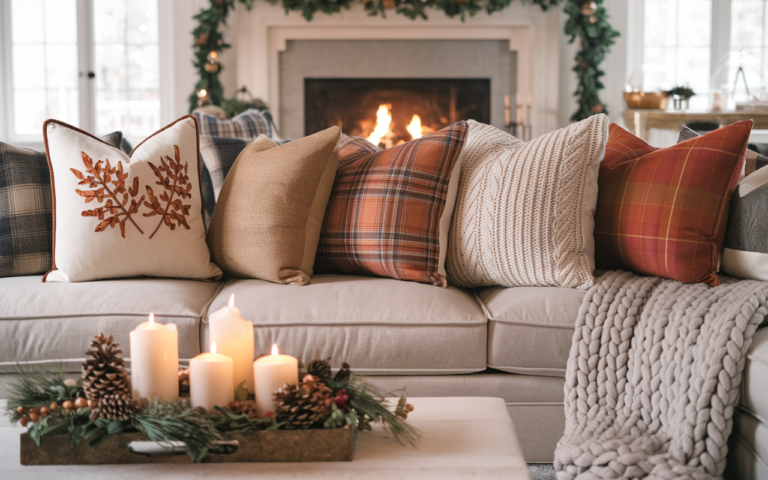
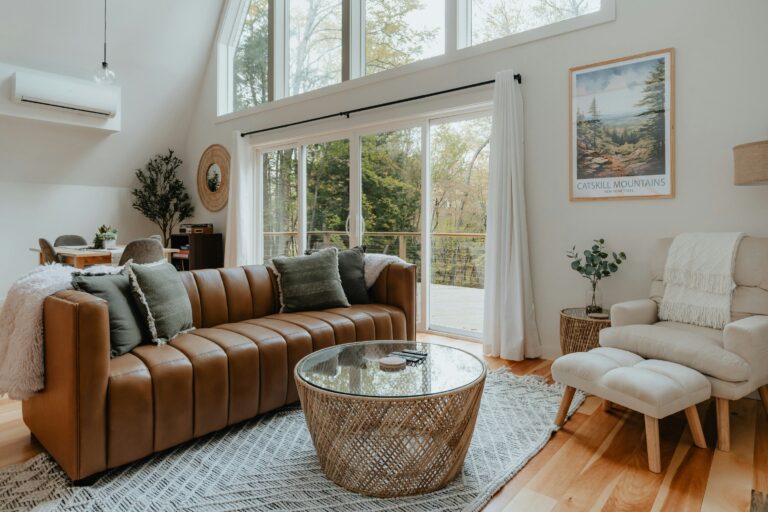
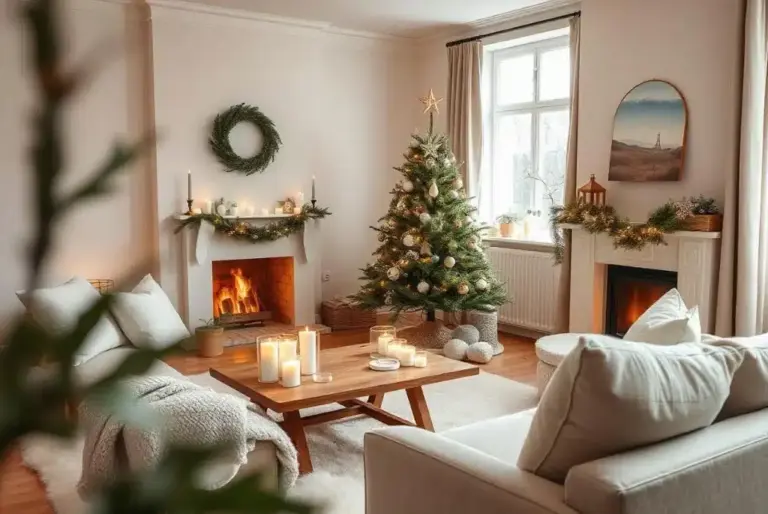
Textiles are the foundation of successful winter decorating, offering both visual warmth and physical comfort. Start with layering different textures throughout your main living areas. A chunky knit throw draped over a leather sofa creates instant contrast and invites touch, while a faux fur rug underfoot adds luxury and softness to hardwood or tile floors.
Consider the weight and weave of your chosen fabrics. Heavy wool blankets provide substantial warmth, while cashmere throws offer lightweight luxury. Velvet cushions catch and reflect light beautifully, creating depth and richness in your color scheme. Mix and match these textures freely—the goal is to create visual and tactile interest that makes your space feel lived-in and loved.
Don’t overlook window treatments in your textile strategy. Swapping lightweight summer curtains for heavier fabrics serves multiple purposes. Thermal-lined drapes help insulate windows against cold air while adding another layer of texture to your rooms. Choose fabrics in rich jewel tones or warm neutrals to enhance your winter color palette.
Strategic placement matters as much as selection. Drape throws over chair backs where they’re easily accessible for impromptu snuggling sessions. Place soft rugs in high-traffic areas where bare feet touch cold floors most often. Layer smaller accent rugs over larger ones to create depth and define seating areas.
Lighting Solutions for Shorter Days
Winter lighting requires a multi-layered approach that compensates for reduced natural light while creating intimate atmospheres. Start by evaluating your existing light sources and identify areas that feel too harsh or too dim during evening hours.
Candles remain one of the most effective tools for winter ambiance. Group pillar candles of varying heights on mantels or coffee tables, or use tea lights in glass holders to create scattered points of warm light. For safety and convenience, high-quality LED candles now offer realistic flickering effects without the fire hazard.
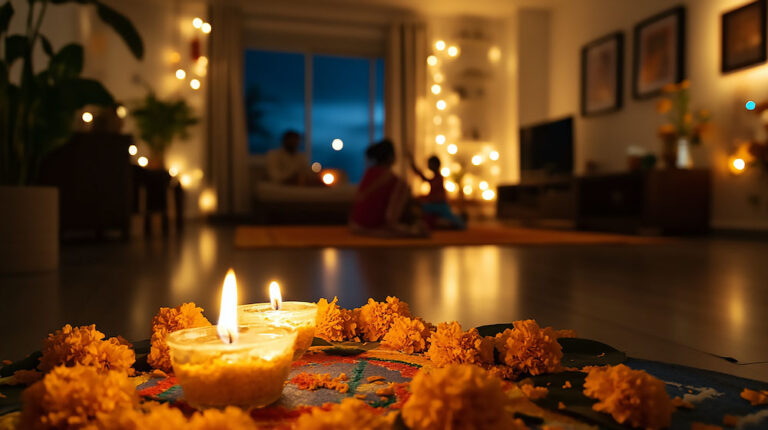
String lights aren’t just for holidays. Warm white fairy lights can be woven through garlands, wrapped around mirrors, or cascaded in glass jars for year-round winter magic. Battery-operated versions offer placement flexibility without worrying about outlet locations.
Table and floor lamps with warm-toned bulbs (2700K-3000K) provide essential task lighting while contributing to your room’s overall warmth. Look for lampshades in warm colors or natural materials like linen or burlap that complement your winter aesthetic. Position them strategically to eliminate dark corners that can make spaces feel smaller and less inviting.
Consider installing dimmer switches on overhead fixtures. This simple upgrade allows you to adjust lighting intensity throughout the day and evening, creating different moods without changing bulbs or fixtures.
Natural Elements That Connect Indoors to Outdoors
Incorporating natural elements helps bridge the gap between indoor comfort and outdoor winter beauty. Fresh greenery becomes especially important when landscapes are dormant, bringing life and color into your home.
Evergreen branches—whether purchased or collected from your yard—make excellent winter decorations. Arrange them in tall vases or incorporate them into mantel displays. Pine, fir, and cedar branches not only look beautiful but also provide natural fragrance that enhances the sensory experience of your space.
Pinecones, bare branches, and interesting pieces of driftwood or bark add organic texture to your decor. These elements work particularly well in rustic or modern farmhouse settings, but can be styled to fit contemporary spaces too. Spray paint pinecones in metallic finishes for a more polished look, or leave them natural for authentic woodland appeal.
Winter plants deserve special consideration in your decorating scheme. Amaryllis bulbs force easily indoors and provide dramatic blooms in rich reds and whites. Paperwhites offer delicate white flowers and sweet fragrance. Both can be planted in decorative containers that complement your overall design scheme.
Don’t forget about preserved elements. Dried hydrangeas, seed pods, and branches can last throughout the season while adding subtle color and interesting shapes to your displays.
Color Palettes That Warm Cold Days
Winter color schemes should evoke warmth even when temperatures drop. Move beyond the obvious red and green holiday combinations to discover richer, more sophisticated palettes that work throughout the season.
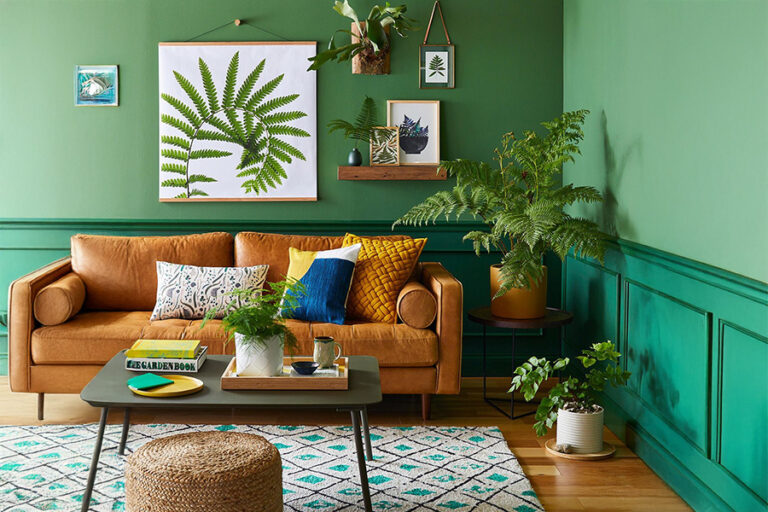
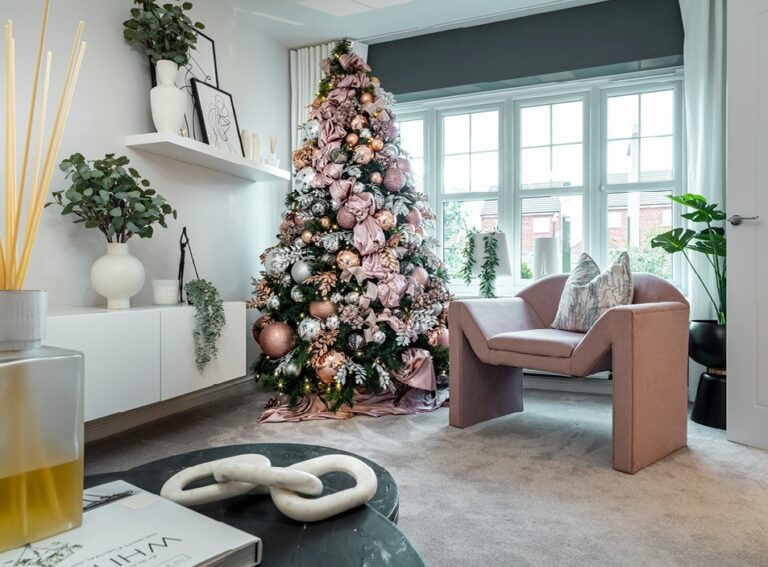
Deep jewel tones create instant warmth and luxury. Consider sapphire blues, emerald greens, and rich burgundies as accent colors against neutral backgrounds. These colors photograph beautifully in lower light conditions and pair well with metallic accents like brass or copper.
Warm neutrals provide a sophisticated base for winter decorating. Think beyond beige to explore mushroom grays, warm taupes, and creamy off-whites. These colors create a calming backdrop that allows accent pieces and textiles to shine without competing for attention.
Monochromatic schemes can be particularly effective in winter. Working within a single color family—such as various shades of blue from navy to powder—creates sophistication and visual cohesion. Add interest through texture and pattern rather than contrasting colors.
Don’t overlook the power of black as an accent color. Used sparingly, black adds depth and sophistication to winter palettes while making other colors appear more vibrant by comparison.
DIY Winter Decor Projects
Creating your own winter decorations adds personal touches while staying within budget constraints. These projects require minimal supplies but deliver maximum impact.
Mason jar luminaries provide customizable lighting solutions. Fill jars with battery-operated string lights, add some artificial snow or frosted glass spray, and you have instant winter ambiance. Vary the sizes and group them for greater visual impact.
Twig and branch arrangements cost nothing if you have access to a yard or wooded area. Gather interesting branches, arrange them in tall vases, and add battery-operated lights for magical evening displays. These arrangements work in both traditional and contemporary settings.
Fabric-wrapped vessels transform ordinary containers into design elements. Wrap vases, planters, or storage containers with burlap, sweater sleeves, or other textured fabrics secured with hot glue or double-sided tape. These pieces can hold plants, candles, or seasonal displays.
Create custom throw pillows using winter-themed fabrics and basic sewing skills. Even simple envelope-style covers can be completed in an evening and changed out seasonally. Look for fabrics with winter motifs like snowflakes, pinecones, or Nordic patterns.
Frequently Asked Questions
How can I decorate for winter without making my space feel too holiday-specific?
Focus on natural elements, warm textures, and neutral color palettes rather than traditional holiday colors and symbols. Use evergreen branches, pinecones, and candles in sophisticated arrangements that feel seasonal rather than specifically Christmas or Hanukkah-themed. These elements can stay up through February without feeling outdated.
What’s the most budget-friendly way to update my home for winter?
Start with textiles and lighting changes, which offer the biggest impact for the smallest investment. Add throws, swap out pillow covers, and introduce warm lighting through candles or string lights. Natural elements like branches and pinecones are often free if you can collect them yourself.
How do I keep winter decor from making small spaces feel cramped?
Choose lighter colors within your warm palette and focus on adding layers rather than large decorative objects. Use mirrors to reflect candlelight and create the illusion of more space. Stick to one or two main colors with metallic accents to avoid visual clutter.
Can I use winter decor in a modern or contemporary home?
Absolutely. Focus on clean lines, monochromatic color schemes, and sleek containers for natural elements. Choose modern candleholders, geometric planters, and contemporary fabrics in winter-appropriate colors and textures. The key is maintaining your home’s existing aesthetic while adding seasonal warmth.
How long should I keep winter decorations up?
Winter decor can stay up through February or early March, depending on your climate and personal preference. Unlike holiday-specific decorations, winter elements like cozy textiles, warm lighting, and natural branches feel appropriate as long as cold weather persists.
Transform Your Home Into a Winter Haven
Winter decorating isn’t about perfection—it’s about creating a space that feels welcoming and warm during the year’s coldest months. By combining cozy textiles, strategic lighting, natural elements, and thoughtful color choices, you can transform your home into a sanctuary that celebrates the season’s unique beauty.
Start with one or two elements that speak to you most, whether that’s adding a few throw blankets or incorporating some candlelight into your evening routine. Small changes often lead to bigger transformations as you discover what makes your space feel most comfortable and inviting.
Remember that the best winter decor reflects your personal style while addressing the season’s practical and emotional needs. Your home should feel like a place where you want to spend those long winter evenings, surrounded by warmth, comfort, and beauty that makes the cold months something to embrace rather than endure.